







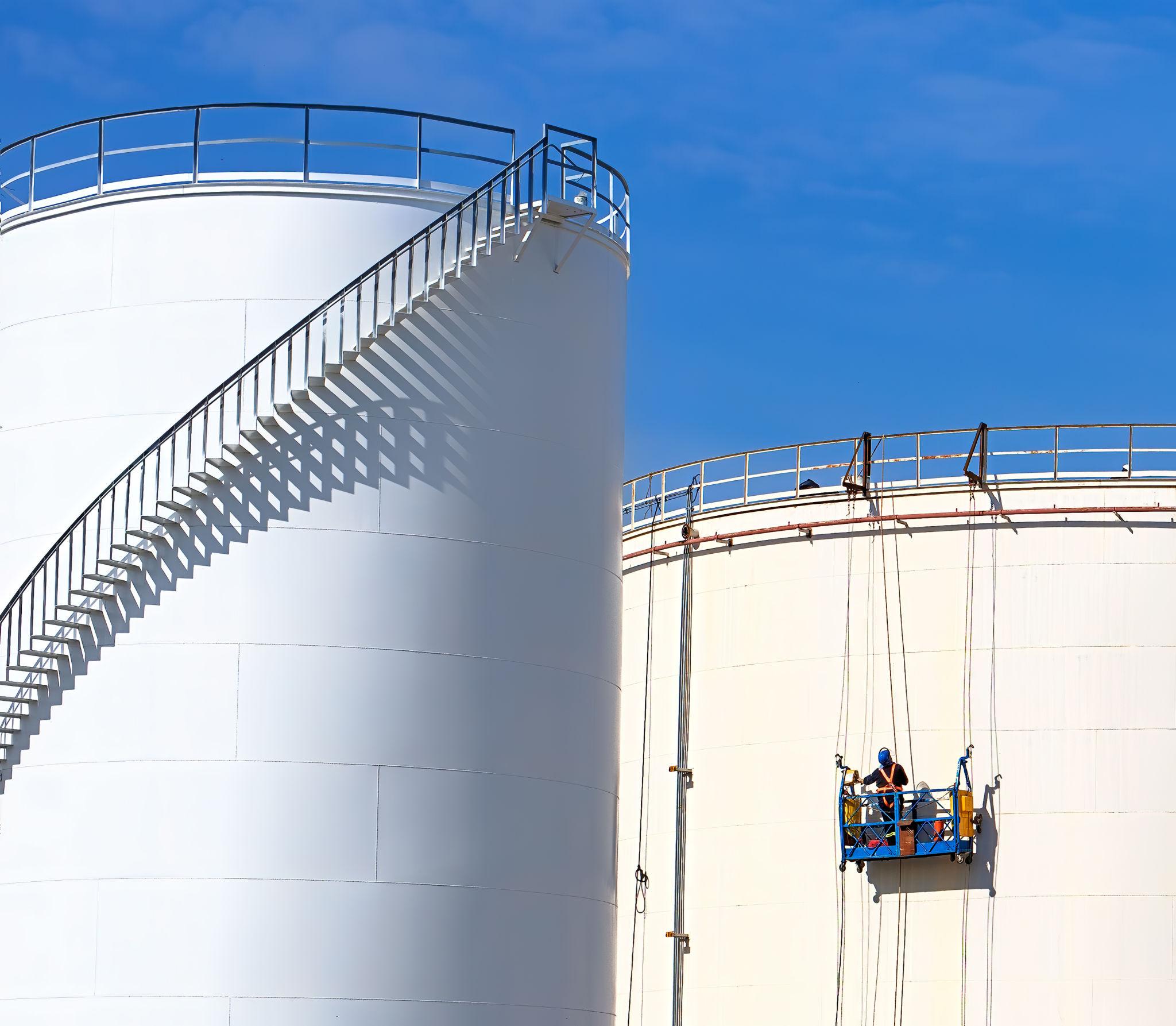
The safe storage and transportation of petroleum products remain one of the most critical aspects of global energy operations. Due to the hazardous nature of these materials, even minor operational failures can lead to serious environmental, financial, and safety consequences.
Petroleum storage facilities are exposed to a range of risks including fire hazards, vapor emissions, leakage, and structural failures. Industry standards emphasize that these risks can only be minimized through strict adherence to international safety standards, proper tank design, and continuous monitoring systems. Regular inspections of tanks, pipelines, and valves play a key role in detecting early-stage corrosion or leakage.
Beyond storage, the transportation of petroleum products requires equally rigorous control. Whether handled via road tankers, pipelines, or maritime shipping, all operations must comply with global safety regulations such as ADR and the IMDG Code. These frameworks define how hazardous materials should be packaged, labeled, documented, and handled to ensure safe movement.
A key factor in maintaining safety across the entire supply chain is operational discipline. Proper identification, packaging, labeling, and documentation of dangerous goods are essential at every stage of the process. In addition, personnel training and awareness play a fundamental role in reducing human error.
Environmental impact is another critical consideration. Even small-scale spills can have long-term consequences, highlighting the importance of preventive measures, emergency response planning, and strict compliance with environmental standards.
In today’s global energy landscape, companies must go beyond regulatory compliance and adopt a proactive approach to safety management. Implementing advanced monitoring systems, maintaining high operational standards, and investing in continuous training are essential for ensuring both safety and efficiency.
At Dream Petroleum, safety is embedded in every stage of our operations — from sourcing and storage to transportation and final delivery. By prioritizing disciplined execution and strict compliance with international standards, we ensure reliable supply while protecting people, infrastructure, and the environment.